

Pop music, it’s everywhere. From the catchy jingles that stick in your head to the chart-topping hits that dominate radio waves, it’s an ever-evolving genre that often leaves people scratching their heads: what really defines it? Think of pop as the ultimate crowd-pleaser, designed to resonate with the masses, while still being fun and accessible. Not only does it aim for wide appeal, but it also karate chops its way through cultural barriers, mixing genres like a DJ at a party. So, grab your headphones, because we’re about to dive deep into the colorful world of pop music.
The Origins of Pop Music
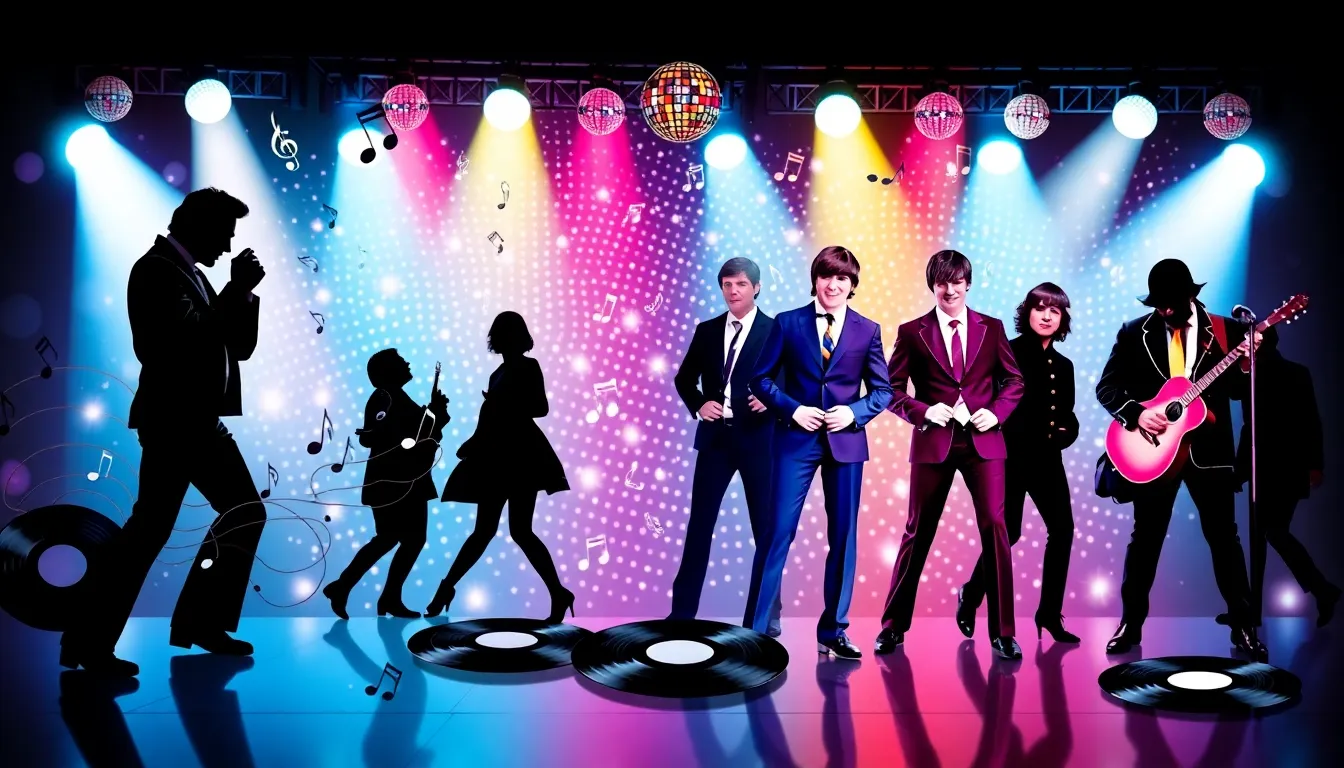
Pop music, a term that evokes images of glittery stages and energetic dance moves, has a rich history that dates back to the mid-20th century. Its roots can be traced to earlier musical forms, particularly to genres like rock ‘n’ roll, rhythm and blues, and even traditional folk music. Initially characterized by hooks and catchy melodies, early pop artists aimed to create music that appealed to the largest possible audience. The 1950s and 1960s saw icons like Elvis Presley and The Beatles shape the landscape, merging influences from multiple genres and setting the stage for what pop music would become.
As the years rolled on, pop music began to branch out in each decade, incorporating elements from disco in the 70s, new wave in the 80s, and hip-hop in the 90s. The genre acts like a sponge, soaking up influences and trends, reflecting not only the era’s sound but also its cultural moments. Whether it was through the instrumentals or the lyrics, each wave of pop music told a story that resonated with its listeners.
Key Characteristics of Pop Music
When dissecting pop music, several key characteristics emerge, providing a framework that helps define this genre. First and foremost, one stands out: the catchy melody. If you find yourself humming a tune long after it has ended, it’s likely a pop song. The simple structure of verses and choruses is designed for easy recall, making it perfect for sing-alongs.
Another hallmark is the production quality. Pop music typically employs polished production techniques, with layers of instruments, synthesizers, and effects that create an inviting soundscape. Often, you’ll hear a fusion of digital and analog sounds, making it both fresh and familiar.
Lyrics in pop music frequently focus on universal themes like love, heartbreak, and celebration. These topics resonate deeply with audiences, making them relatable on a personal level. Artists often craft narratives that encapsulate shared experiences, further linking the music to its listeners.
Finally, pop music thrives on visual presentation. The music videos, album art, and live performances are all part of the pop phenomenon. Artists use these elements to create larger-than-life personas, generating a cultural spectacle that enthralls fans.
Cultural Impact of Pop Music
Pop music isn’t just sound: it’s a cultural movement that shapes and reflects societal norms. Its influence stretches beyond the charts, affecting fashion trends, language, and even the way people socialize. Just think of any viral music video, how many Halloween costumes have mimicked iconic looks from the latest pop hits? The answer is countless.
Plus to fashion, pop music cultivates a language of its own. Terms and phrases from catchy hooks seep into everyday vernacular, creating a shared cultural lexicon. Artists like Taylor Swift and Beyoncé have not only provided a soundtrack to millions of lives but have also sparked important conversations around social issues, empowering fans through their platforms.
The inclusivity of pop further elevates its cultural significance. By drawing elements from various genres and traditions, pop music promotes diversity, providing a stage for voices that may otherwise go unheard. In this way, it serves as a unifying force, bringing people together in their shared love of music.
Pop Music vs. Other Genres
When one thinks about pop music, it’s impossible not to compare it to other genres. Unlike rock, which often prioritizes musicianship, or folk, which emphasizes storytelling, pop music aims for immediate connection and widespread appeal. This difference establishes pop as accessible, inviting a broader audience.
Genres like jazz and classical pride themselves on complex structures and improvisation, while pop typically opts for straightforward arrangements. Later, pop serves as a gateway genre. Fans of pop often venture into alternative, indie, or electronic music, spurred by the adventurous production styles and thematic narratives found in popular hits.
Besides, the commercial aspect of pop is vital. The genre is closely intertwined with marketing strategies, chart placements, and commercial platforms. While genres like indie rock may prioritize artistic integrity over sales, pop’s nature embraces it, seeking mass consumption and wide recognition. This dynamic reveals a critical distinction: pop innovates within commercial frameworks, ensuring its evolution while remaining accessible.
The Evolution of Pop Music
Pop music is not static: it has evolved dramatically since its origins. Each decade introduces new technologies and trends that influence its sound. The 80s welcomed synthesizers, sparking the rise of electronic pop. Artists like Madonna and Prince showcased how production could redefine musical boundaries.
As technology progressed, the 90s saw the advent of the Internet, fundamentally altering how music was distributed and consumed. Napster and streaming services changed the game, giving rise to new pop icons who thrived in digital space. Artists like Britney Spears and NSYNC pioneered this era, combining music with multimedia experiences.
In the 2000s and beyond, pop became increasingly collaborative. Artists began engaging in cross-genre partnerships, incorporating elements from hip-hop, R&B, and even country. Today’s hits often feature an impressive roster of contributors, blurring genre lines and expanding the scope of what pop can be.
Now in the 2020s, pop music continues to evolve, reflecting cultural shifts, technological advancements, and audience expectations. Social media platforms can turn unknown artists into global phenomena overnight, reshaping the industry landscape and ensuring that pop music remains dynamic and relevant.