
Pop music is often defined by its catchy hooks and irresistible beats, but what lies beneath its surface is a rich tapestry of genres, each with its own unique flavor. Ever wondered why listening to pop music can feel like a rollercoaster of emotions? That’s because it evolves every decade, morphing just like fashion trends, sometimes with a touch of nostalgia, sometimes with a dash of innovation. Buckle up. We’re about to explore the dazzling world of pop music types. Who knows, you might just find your new favorite sound lurking in these genres.
The Evolution Of Pop Music Genres
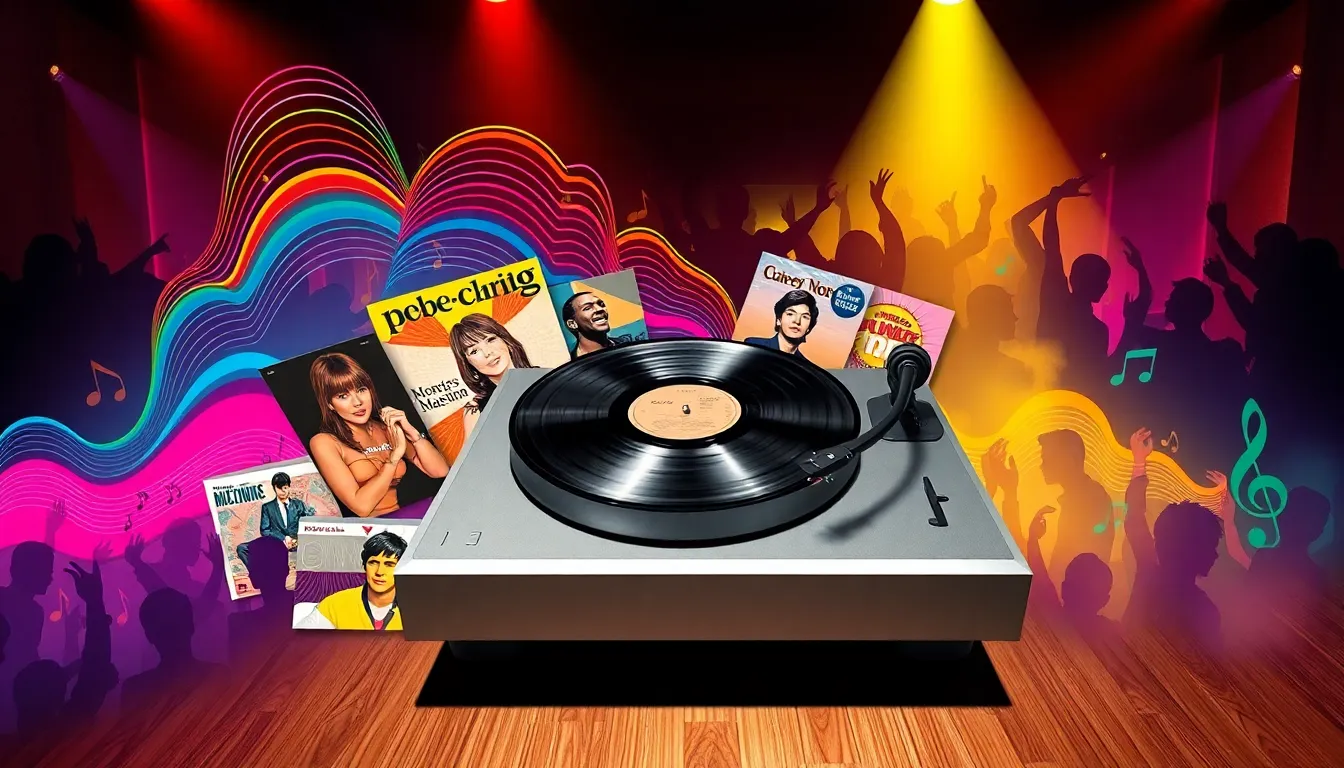
Pop music has journeyed through various stages since its inception. Emerging from the upbeat rhythms of the 1950s, it grew into a multifaceted genre that continues to captivate audiences worldwide. In the 60s, the British Invasion introduced bands like The Beatles, shifting pop music into a new era of experimentation and bold lyrical themes.
Fast forward to the 80s, and we see the birth of subgenres like synthpop, featuring artists such as Madonna and Michael Jackson, who pushed the boundaries of pop with vibrant music videos and theatrical performances. In the 90s and 2000s, pop merged with hip-hop and R&B, leading to crossover hits and chart-topping collaborations. The evolution is far from over: as technology advances, so does the way artists express themselves, leading to a limitless landscape of pop music today.
Main Subgenres Of Pop Music
The sheer variety of pop music is one of its most appealing aspects. Let’s jump into some of the prominent subgenres that define the landscape:
- Dance Pop: Known for its pulsating beats and infectious melodies, dance pop dominates clubs and airwaves alike. Artists such as Lady Gaga and Calvin Harris exemplify this energetic style.
- Electropop: This genre combines electronic sounds with pop sensibilities. Think of artists like Grimes and CHVRCHES, whose work fuses catchy hooks with synthetic production.
- Teen Pop: Aimed at younger audiences, this subgenre features relatable themes about love, friendship, and fitting in. Artists like Justin Bieber and Ariana Grande dominate this space.
- Indie Pop: Hailing from independent labels, indie pop maintains a lo-fi aesthetic and lyrical depth. Bands like Tame Impala and Florence + The Machine showcase this genre’s romantic and introspective qualities.
Each subgenre reflects not just musical trends, but cultural movements as well.
Characteristics Of Different Pop Genres
Across the various subgenres, distinctive characteristics set them apart. For instance:
- Dance Pop beats are characterized by a steady four-on-the-floor rhythm, designed to keep listeners dancing all night.
- In Electropop, the use of synthesizers and electronic drums creates an ethereal soundscape, often accompanied by futuristic lyrics.
- Teen Pop often employs simple storytelling, catchy choruses, and polished production, making it radio-friendly and easily digestible.
- Indie Pop leans towards irregular song structures, thoughtful lyrics, and a DIY ethos, emphasizing artistry over commercial appeal.
These unique traits make each type of pop resonate differently with its audience, shaping how and why people connect with the music.
Cultural Influences On Pop Music
Pop music serves as a reflection of societal trends and cultural shifts. The genre absorbs and remixes influences from various cultures, leading to the creation of unique sounds. For example, Latin pop surged in popularity thanks to artists like Shakira and Bad Bunny, who infused traditional rhythms with contemporary flair, reaching global audiences.
Similarly, K-pop has exploded in popularity, combining catchy melodies with visually stunning performances and engaging fandom cultures. The globalization of music means that today’s pop artists draw inspiration from a plethora of sources, making the genre a melting pot of musical styles.
The Future Of Pop Music
As we gaze into the crystal ball of music, the future of pop seems both thrilling and unpredictable. With the rise of artificial intelligence in music production and the growing importance of social media platforms like TikTok in promoting new artists, pop music is likely to continue its rapid evolution.
Also, we might see further fusions with other genres, as artists experiment with hybrid styles to create something entirely new. The accessibility of digital tools has democratized music production, allowing voices from various backgrounds to enter the mainstream. The next pop sensation could emerge from anywhere, keeping audiences eager and engaged.