

Are you tired of just humming along to your favorite pop hits while your friends effortlessly strum the guitar or tickle the ivories? Well, it’s time to change that. Pop sheet music is your backstage pass to the world of music-making, whether you’re aspiring to be the next pop sensation or just want to play a tune or two for fun. In this guide, you’ll discover how to unlock your musical potential, why sheet music is essential, and, yes, where to snag the best sheets without very costly. So grab your instrument and let’s dive right in.
Understanding Pop Sheet Music
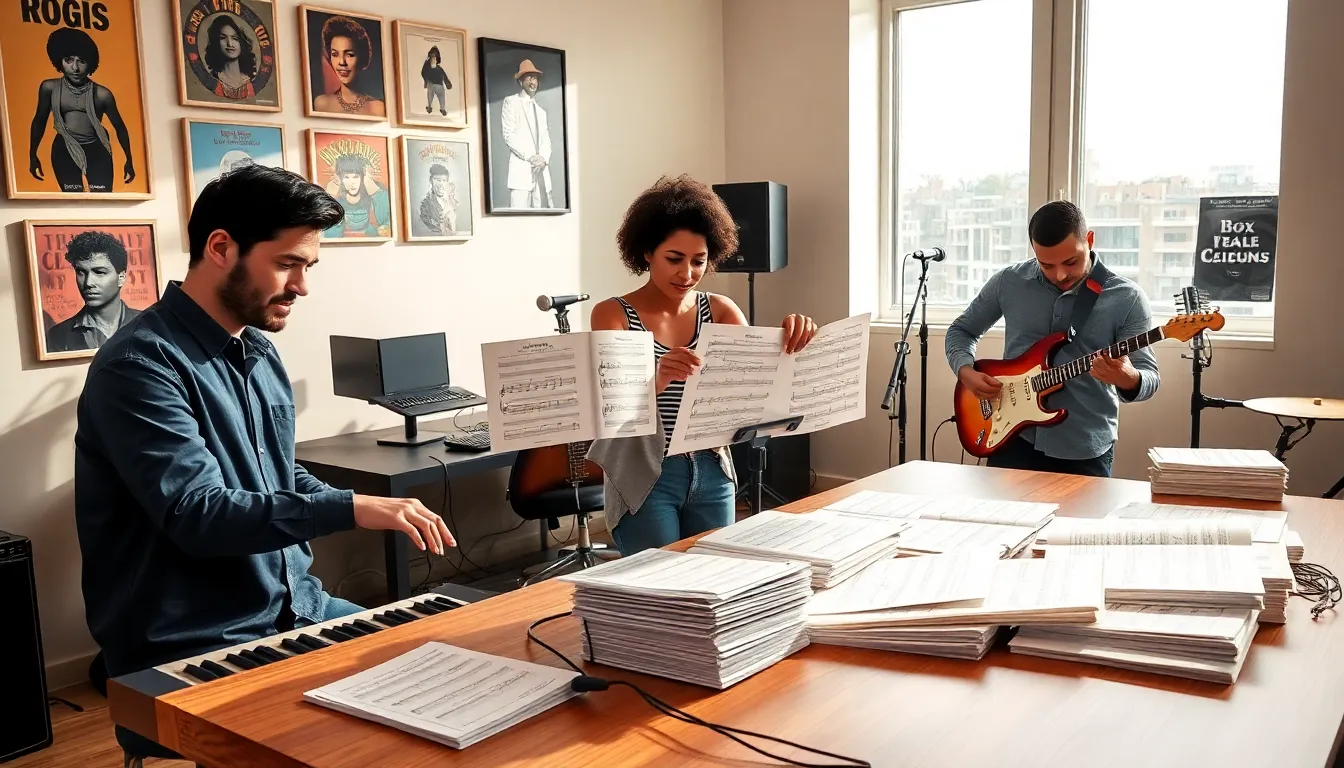
Pop sheet music serves as a written representation of popular songs, guiding musicians through notes, rhythms, and performance instructions. Unlike classical sheet music, which often features intricate scores and extensive notations, pop sheet music tends to be more straightforward, focusing on essential melodies and chord progressions. This makes it accessible for beginners and professionals alike.
The beauty of pop sheet music lies in its variety. It includes everything from simple piano arrangements to complex orchestral pieces, catering to different skill levels. Musicians often find that having the sheet music in hand helps them understand song structure, build confidence, and even experiment with their interpretations. With just a few notes, one can evoke powerful emotions, making pop sheet music a vital part of a musician’s repertoire.
The Importance of Sheet Music for Musicians
Sheet music plays an indispensable role for musicians, functioning as a roadmap for both practice and performance. Learning music through sheet music not only helps improve reading skills but also enhances one’s ability to comprehend musical language.
Imagine trying to build a complex piece of furniture without instructions: it’d be chaotic. Sheet music simplifies this process by providing clear guidelines. For beginners, it demystifies the mechanics of music, turning seemingly daunting pieces into manageable sections. Also, it allows performers to recreate songs with accuracy, preserving the original intent of the artist.
Also, sheet music acts as a shared medium among musicians. Whether jamming with friends or performing on stage, everyone can follow the same written instructions, fostering collaboration and spontaneity.
Where to Find Pop Sheet Music
In today’s digital age, locating pop sheet music is easier than ever. Yes, traditional music stores remain a reliable option, but online platforms have revolutionized how musicians access their favorite tunes. Websites like Musicnotes and Sheet Music Plus offer vast catalogs of pop sheet music at various skill levels and formats, from downloadable PDFs to physical copies sent right to your door.
Also, platforms like YouTube provide access to tutorial videos that often include links to sheet music in the description. Social media groups devoted to musicians can be treasure troves for sheet music as well, with members frequently sharing or recommending pieces. For the resourceful, sites like MuseScore allow musicians to upload and share their own arrangements, creating a community of sheet music creators.
Popular Genres and Styles in Pop Sheet Music
Pop music is a melting pot of various genres, and this diversity is mirrored in its sheet music. From upbeat dance-pop to soulful ballads, the styles found in pop sheet music cater to multiple tastes. Subgenres like indie pop, electropop, and synth-pop have surged in popularity, influencing the types of music being written and performed.
Musicians often explore these genres to broaden their repertoire. Understanding the nuances between different styles helps artists tailor their interpretations and develop a unique sound. For example, playing a ballad requires sensitivity in dynamics and phrasing, whereas an upbeat pop song calls for more energy and flair: hence, knowing the differences can elevate performance.
Tips for Learning and Playing Pop Sheet Music
Learning to play pop sheet music can be both exciting and challenging. Here are some tips to ease the journey:
- Start Simple: Choose easy arrangements initially. This builds confidence and creates a strong foundation for tackling more complex pieces.
- Practice Regularly: Consistency is key. Set aside dedicated time each week to practice.
- Break It Down: Don’t attempt to learn an entire song at once. Break it into sections to make it manageable.
- Use a Metronome: Keeping the tempo steady will help improve timing and rhythm.
- Record Yourself: Listening to your own playing helps identify areas for improvement.
- Experiment: Don’t hesitate to make the song your own. Add personal flair through dynamics or tempo changes.
The Future of Pop Sheet Music
As technology continues to evolve, so does pop sheet music. The rise of digital formats allows for interactive sheet music, where musicians can click notes for audio playback or view videos demonstrating techniques. Besides, artificial intelligence is paving the way for personalized sheet music arrangements based on individual skill levels and preferences.
Augmented reality (AR) and virtual reality (VR) applications are also coming down the pipeline, potentially transforming how musicians interact with sheet music. Imagine a world where you can see real-time notation changes as you play. The accessibility of pop sheet music is expected to grow, making it easier than ever for aspiring musicians to jump into their favorite tunes.