
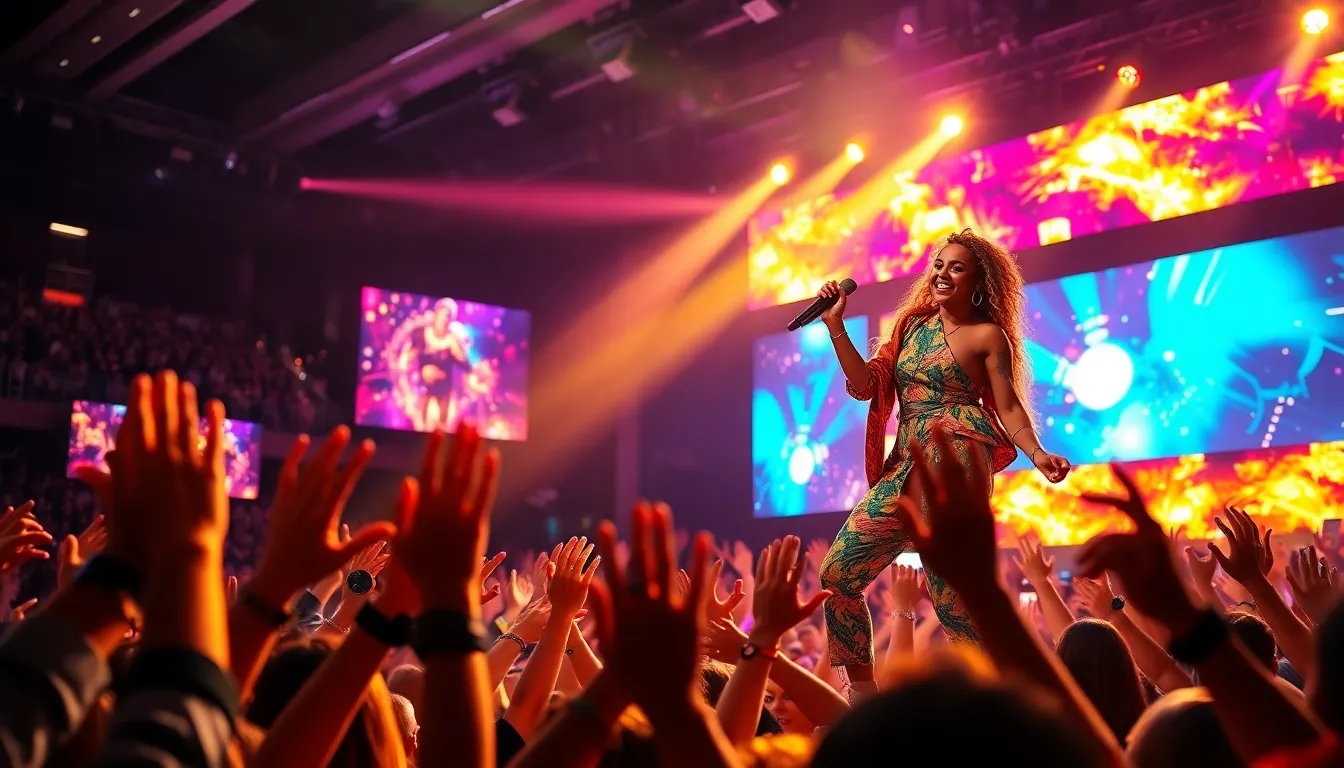
Pop music isn’t just a genre: it’s a cultural phenomenon that makes you move, groove, and occasionally attempt to hit those high notes in the shower. With catchy choruses and relatable lyrics, pop music has got more hooks than a fisherman’s tackle box. This article dives into the evolution of pop music, explores its key characteristics, and unpacks the impact of social media on pop artists. Plus, get ready for a sneak peek into the future of the genre, where the melodies are fresh, and the artists are more dynamic than ever.
The Evolution of Pop Music
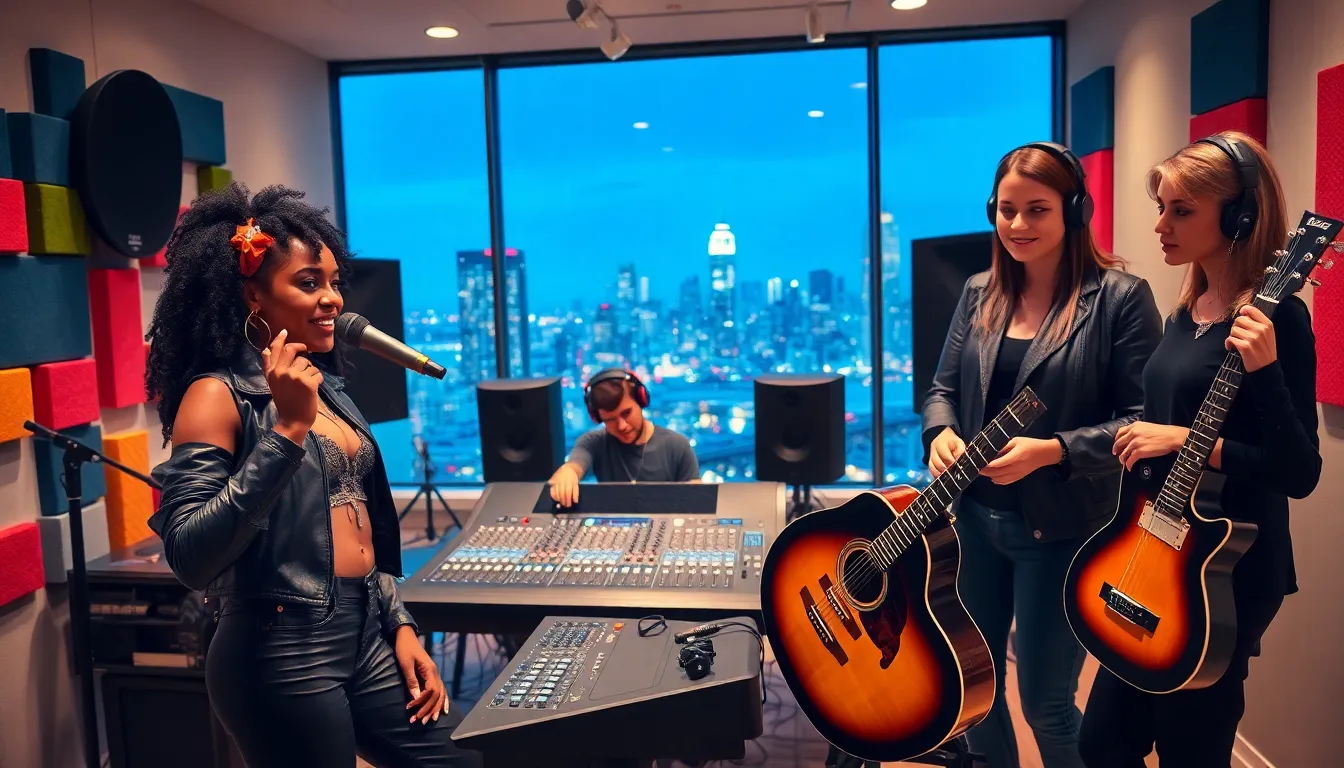
Pop music has journeyed through time like a restless traveler: it has transformed and morphed, picking up influences from rock, hip-hop, electronic, and even country along the way. Its roots trace back to the mid-20th century when artists like Elvis Presley and The Beatles began to shape the soundscape with their innovative takes on music. Fast forward to the 80s, and you’d find synth-heavy tracks dominating the airwaves, with stars like Madonna and Michael Jackson leading the charge. But it didn’t stop there – the 90s ushered in boy bands and pop princesses, while the 2000s saw the rise of electronic influences, bringing artists like Britney Spears and ushering in the era of music videos on platforms like MTV.
Once the 2010s rolled around, pop music began to embrace a melting pot of genres. You couldn’t escape the catchy hooks of artists like Taylor Swift, who blended country with pop, and Sam Smith, who lent a soulful R&B twist to the mainstream. Each decade brought a unique flavor, making pop music a living, breathing entity that grows with the times. So, as we look ahead, one thing is clear: pop music will continue to evolve, ensuring that it remains relevant and resonant with each new generation.
Key Characteristics of Pop Music
Pop music is characterized by its catchy tunes, relatable lyrics, and a structure that often includes verses, choruses, and bridges designed to stick in your mind.
Influential Pop Music Artists Through the Decades
Throughout the years, certain artists have defined what pop music is all about. Icons like Whitney Houston, whose vocal prowess took center stage in the 80s and 90s, left an indelible mark. In the new millennium, you had artists like Lady Gaga, who made the unexpected blend of quirky fashion and powerful ballads seem effortless. Each decade redefined what pop could be, merging various influences and sparking trends that influenced countless other genres.
The Impact of Social Media on Pop Artists
In today’s digital age, social media is the lifeline for pop artists. Gone are the days when they solely relied on radio play and album sales to reach audiences. Platforms like Instagram, TikTok, and Twitter allow artists to connect with fans in real-time, share behind-the-scenes glimpses, and promote their latest hits without the traditional gatekeepers of the industry. This shift has not only democratized the music scene but has also enabled aspiring artists to gain traction without a major label.
Also, trends on social media can catapult a song to viral fame overnight. Remember the dance challenges for songs like “Savage Love”? It’s a game-changer and reshapes how music is marketed. These strategies lead artists to rely heavily on their online presence, often blurring the lines between their personal and professional lives.
How to Analyze a Pop Artist’s Success
Understanding what makes a pop artist successful requires looking beyond the charts. Yes, sales and streams matter, but what about the artist’s influence? Charisma, performance style, and fan engagement all play pivotal roles in their journey. For instance, consider someone who has a massive following: their ability to engage on social media often translates into concert ticket sales and merchandise purchasing.
Also, critical acclaim can indicate longevity. Artists whose albums are frequently nominated for awards often experience a surge in popularity, as public perception ties credibility to their name. So, a successful pop artist paints a picture of accomplishment that encompasses more than just hit songs.
The Future of Pop Music Artists
What does the future hold for pop music artists? The next wave is likely to see a further blurring of genre lines. Expect collaborations across genres to become even more common. For instance, envision a world where designers and digital artists collaborate with musicians to produce multi-sensory experiences for fans.
As technology advances, the integration of virtual reality and augmented reality into live performances is on the horizon. Imagine attending a concert where you can interact with holograms of your favorite artists or experience an immersive music video in your living room. These innovations could change how fans engage with music forever, making it an experiential journey rather than just an auditory one.