
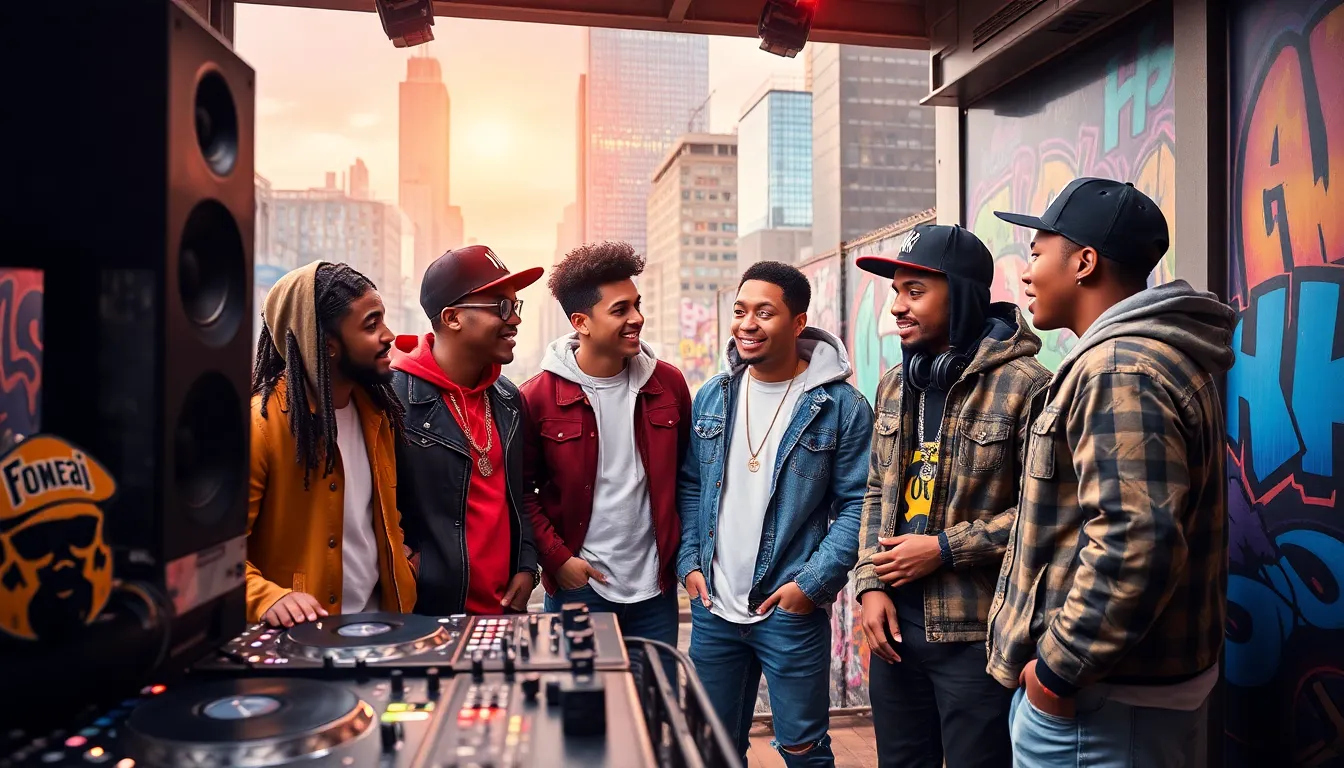
Hip hop, the genre that has redefined music and culture, is ever-evolving. As new tracks drop and fresh faces emerge, the landscape of hip hop keeps music lovers on their toes. You might think you’ve heard it all, but hang tight, there’s always a banger around the corner just waiting to become your next favorite track. From innovative sounds to game-changing artists, the new music hip hop revolution is here, and it’s more exciting than ever. Let’s jump into the freshest beats and trends that are driving this iconic genre forward.
The Evolution of Hip Hop: Trends and Directions
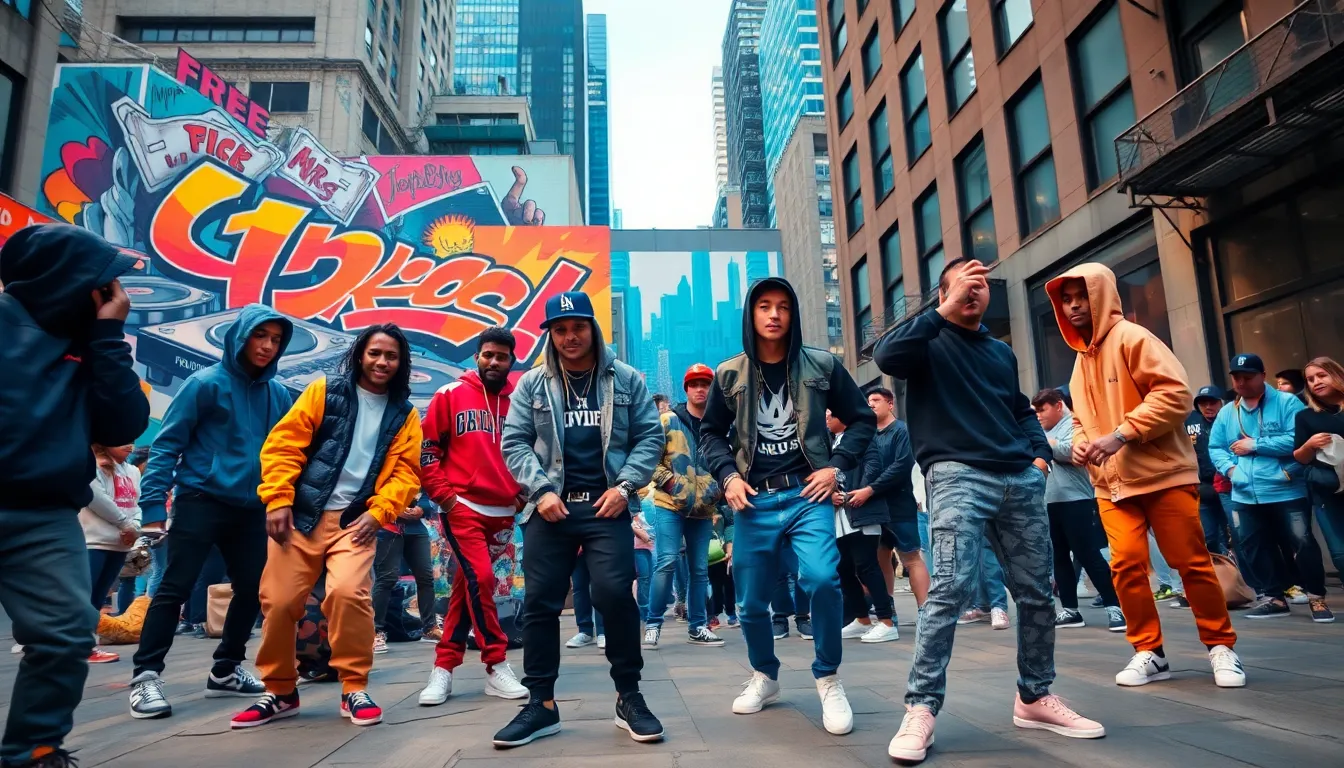
To grasp the current state of new music hip hop, one must understand its colorful evolution. Born in the streets of the Bronx, hip hop quickly shifted from underground clubs to mainstream stages. Initially anchored in gritty beats and powerful lyricism, the genre began to explore new horizons with the introduction of different sounds and cultural influences.
In recent years, trends have pushed the envelope even further. The rise of trap music, characterized by its heavy bass and fast hi-hat rhythms, has profoundly influenced many artists. Icons like Future and Travis Scott have taken trap to new heights, experimenting with vocal styles and production techniques. Meanwhile, the blending of hip hop with pop and electronic music has resulted in chart-toppers that defy traditional genre classifications.
Also, global influences can’t be ignored. Today, hip hop artists are sampling sounds from around the world, integrating Afrobeat, reggaeton, and even K-Pop. This crossover is not just about commercial appeal: it’s about creative expression, reflecting a more interconnected world. With every new release, the genre continues to reforge its identity, leaving listeners eagerly anticipating what artists will come up with next.
Key Artists Shaping the Genre Today
Amidst this dynamic tapestry, several key artists are leading the charge in shaping new music hip hop. Names like Lil Baby and Megan Thee Stallion are not just chart-toppers: they are cultural icons. With powerful narratives and captivating performances, they resonate with fans and tackle issues from social justice to personal empowerment.
In the underground scene, artists such as Saba and Noname are pushing the boundaries even further. Their storytelling approaches create poignant social commentaries that resonate deeply with listeners, showcasing the genre’s capacity for transformation.
On the experimental front, figures like Tyler, The Creator and A$AP Rocky blur the lines between hip hop and other musical styles. Their willingness to innovate and embrace new aesthetics inspires a wave of emerging talent, proving that the heart of hip hop is ingenuity.
The Role of Technology in New Hip Hop Releases
Technology plays a pivotal role in the evolution of hip hop. Today, artists can create high-quality tracks from their bedrooms using digital audio workstations, making music production more accessible than ever. The rise of platforms like SoundCloud has allowed new voices to surface, democratizing the industry.
Social media also acts as a disruptive force, providing tools for promotion and engagement. Artists can connect directly with their fan base, share sneak peeks of upcoming releases, or even drop surprise tracks. This instant access fosters a sense of community and keeps fans engaged.
Also, the evolution of streaming services has altered how listeners consume music. Playlists curated with the latest drops cater to individual tastes and preferences, making discovering new music a breeze. With algorithms continually learning user behaviors, hip hop tracks find their way into the ears of potential fans quickly, pushing boundaries of reach in ways unheard of before.
Exploring Subgenres in Contemporary Hip Hop
Hip hop is not a monolith: it incorporates a plethora of subgenres that highlight its diversity. From the pulsating rhythms of trap to the reflective tones of conscious rap, there is something for everyone. Drill music has surged in popularity, with its origins rooted in Chicago but now flourishing in the UK and beyond, characterized by its dark beats and aggressive lyrics.
Also, trap soul, a fusion of trap beats with R&B vibes, has taken the spotlight, challenging traditional norms in both genres. Artists like Khalid and 6lack have mastered this blend, bringing emotional depth to their tracks while maintaining catchy hooks.
Even more niche subgenres, like lo-fi hip hop, cater to different moods, often used as study music for its calming and ambient qualities. Each subgenre contributes to the rich landscape, showcasing hip hop’s dynamic nature and its ability to cater to evolving listener preferences.
The Impact of Social Media on Music Discovery
In the age of social media, music discovery has undergone a transformational shift. Platforms like TikTok have emerged as invaluable tools for artists. A catchy track can go viral overnight, leading to unprecedented exposure and climbing the charts almost organically. Users creating viral dances or incorporating snippets of songs into their videos breathe new life into tracks.
Besides, Twitter and Instagram serve as conduits for artists to showcase their personalities, share experiences, and connect with fans. This direct engagement cultivates loyalty and allows for genuine interaction, breaking down barriers between artists and their audience.
Online communities centered around hip hop create safe havens for fans to engage with the music they love. Whether it’s on forums or Instagram Live sessions, these platforms encourage discourse, activism, and shared discovery, a modern approach to enjoying music in a communal setting.
Live Performances and Festivals: Showcasing New Talent
Even though the digital age, live performances remain at the core of the hip hop experience. Festivals like Rolling Loud and Coachella showcase a blend of established heavyweights and fresh talent elevating the genre. These events create an atmosphere of excitement and connectivity, embodying the essence of hip hop culture.
Emerging artists gain massive exposure through festivals, often sharing stages with their idols. This exposure is invaluable, as it allows them to forge connections with both fans and industry professionals. The camaraderie evident in live performances strengthens the community, highlighting the collaborative spirit that hip hop embodies.
Also, the unique setting of live performances allows new artists to experiment with their sounds in front of an audience, fostering growth and distinctive artistry.