

Hip-hop music isn’t just a genre: it’s a vibrant cultural movement that has redefined art, social commentary, and community expression. With its roots deeply embedded in the 1970s, hip-hop has evolved in ways that not only captivate the ear but also challenge societal norms and inspire change. If you think you know hip-hop, think again. Buckle up as we explore its gripping journey, astonishing diversity, and what the future holds for a genre that seemingly has no limits.
The Evolution of Hip-Hop Music
Origins in the 1970s
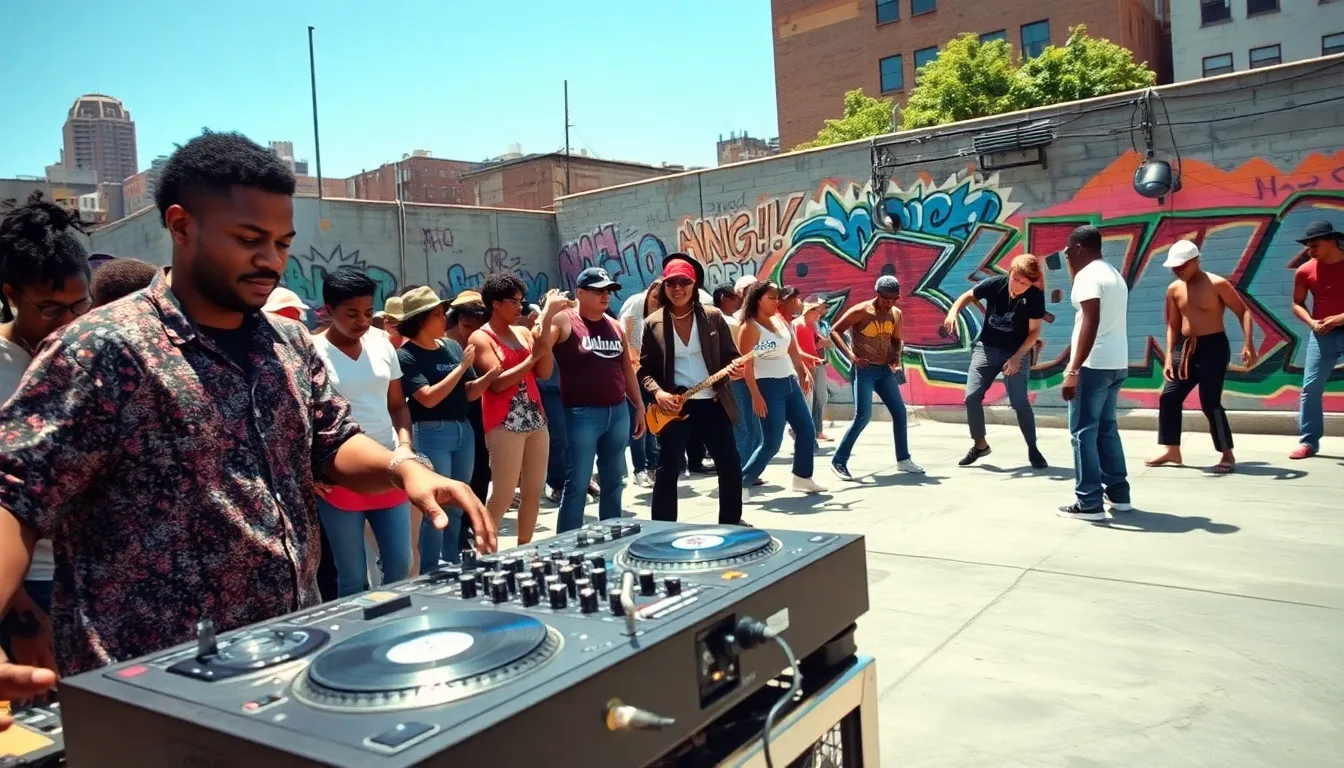
Hip-hop’s birthplace can be traced back to the vibrant neighborhoods of the Bronx in New York City. An energetic blend of funk, soul, and disco, it emerged as a voice for marginalized communities. Block parties became a canvas for DJs and MCs, where they mixed tracks and spun tales of their everyday lives. As the art form grew, breakdancing, graffiti, and beatboxing took center stage, showcasing diverse talents and creative expression.
Key Influences and Artists
Among the pioneers, DJ Kool Herc stands tall. His innovative techniques, such as isolating breaks in songs, laid the groundwork for the genre. Other influential figures like Afrika Bambaataa and Grandmaster Flash introduced political consciousness, encouraging listeners to reflect on social issues through their music. Artists during this formative period weren’t just performers: they were community leaders shaping cultural movements.
The Golden Age of Hip-Hop
Cultural Impact and Social Commentary
The late 1980s to mid-1990s is widely regarded as the Golden Age of hip-hop. During this era, artists like Public Enemy, N.W.A., and A Tribe Called Quest harnessed the power of their platforms. They tackled themes such as racial inequality, systemic injustice, and social struggles, creating a rich tapestry of lyrical storytelling. Tracks became anthems for change, resonating not just within communities but also with a broader audience eager for authenticity.
Diversity in Styles and Subgenres
Mainstream vs. Underground Hip-Hop
The diversity within hip-hop is staggering. On one end, mainstream artists like Drake and Cardi B dominate the airwaves, blending catchy hooks with polished production. On the flip side, underground scenes thrive in cities like Los Angeles and Chicago. Here, artists such as Atmosphere and MF Doom explore unconventional themes and styles. Both realms are essential, contributing to a rich, multifaceted genre.
The Role of Technology in Hip-Hop’s Growth
With the advent of technology, hip-hop has transformed dramatically. The rise of digital production tools has democratized music creation, allowing aspiring artists to produce tracks from their bedrooms. Social media platforms also play a pivotal role, enabling artists to share their work instantly and build fan bases across the globe. The evolution from analog to digital has propelled hip-hop into uncharted territories, empowering new voices.
The Globalization of Hip-Hop Music
Regional Variations Around the World
Hip-hop knows no borders. From Latin trap in Puerto Rico to K-pop influenced rap in South Korea, the genre has adapted and thrived globally. Countries like Nigeria and France are home to vibrant hip-hop scenes, echoing local cultures while maintaining the fundamental elements of rap. Artists blend traditional sounds with contemporary beats, enriching hip-hop’s narrative weaving.
The Future of Hip-Hop Music
Emerging Trends and Artists
Looking ahead, the future of hip-hop is as exciting as its past. Genres are blending more than ever, with collaborations across disparate styles becoming the norm. Artists like Lil Nas X challenge conventions, while others push boundaries in topics of mental health and identity. As technology continues to evolve, so will hip-hop’s landscape, providing a fertile ground for innovation and fresh perspectives.