

Classical music isn’t just a collection of old tunes, it’s a vibrant tapestry woven through centuries, each era with its own distinct style. Ever wondered how a simple symphony from centuries ago can still make you feel like you’re conquering the world or falling in love? Get ready to dive deep into the fascinating eras of classical music. From the dramatic flourishes of the Baroque to the expressive depths of the Romantic, this journey will make you appreciate every note a little more. So, grab your favorite snack, sit back, and let’s hit the high notes.
Overview Of Classical Music Eras
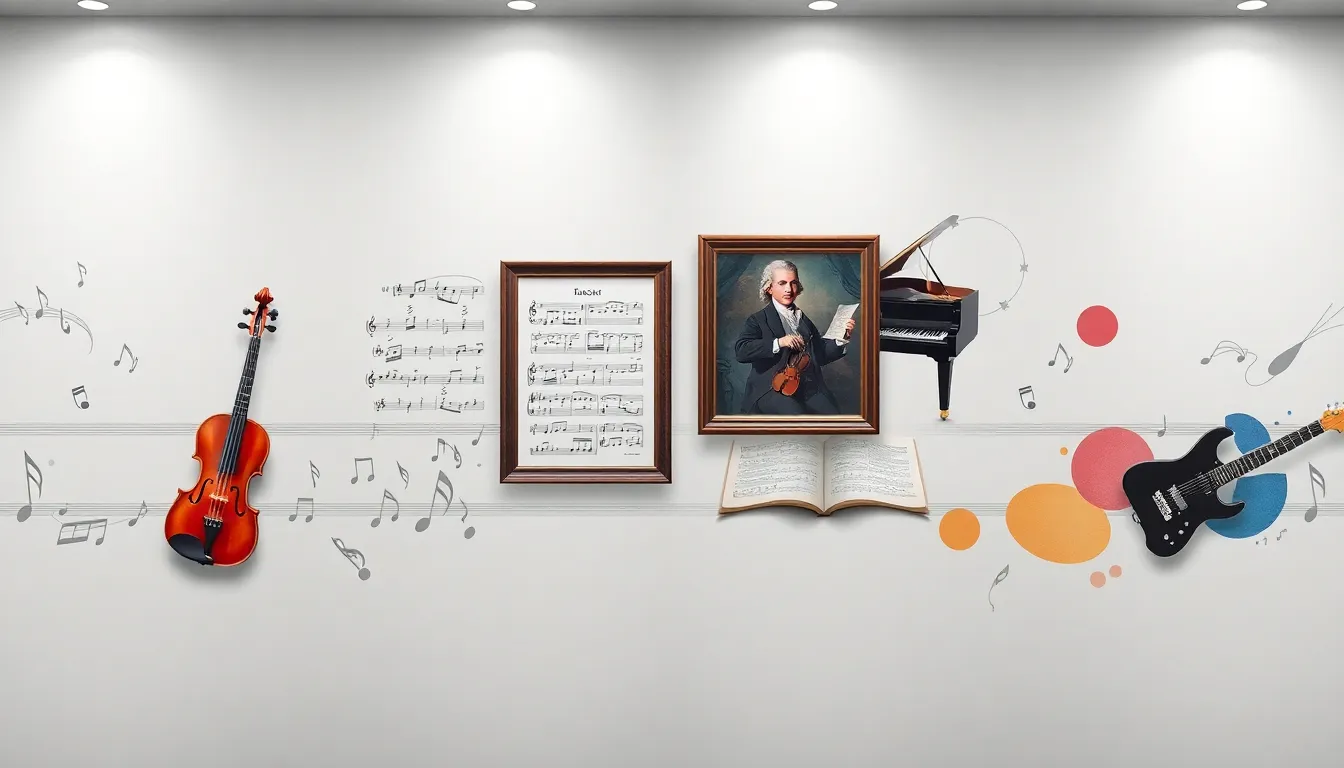
Classical music is a rich domain, marked by several eras, each bringing something unique to the table. Generally, it can be divided into four major periods: the Baroque, Classical, Romantic, and the 20th century onwards. Understanding these eras not only enhances one’s listening experience but also sheds light on the evolution of musical language.
The Baroque era (1600-1750) features intricate compositions and emotional depth. Following closely, the Classical era (1750-1820) seeks clarity, balance, and form. Then comes the Romantic era (1820-1900), where music becomes a personal expression of emotion and individualism. Finally, the 20th century marks a break from tradition, experimenting with new forms and styles, inviting a plethora of influences. Each era reflects the social, political, and cultural contexts of its time, paving the way for the next as composers pushed boundaries.
The Baroque Era (1600-1750)
The Baroque era is a vibrant period characterized by its ornate musical style. This era marked a shift in musical composition, emphasizing contrast and complexity. One can often hear elaborate melodies adorned with musical ornamentation, creating an enriched listening experience.
Characteristics Of Baroque Music
Baroque music often showcases bold contrasts in dynamics, texture, and pace. Composers frequently utilized counterpoint, where independent melodies interweave skillfully, creating a rich, harmonious texture. You might also notice that the use of the harpsichord became a staple, providing a unique sound depth. The emotional expressiveness during this era is profound, with composers often aiming to evoke specific feelings.
Key Composers Of The Baroque Era
Johann Sebastian Bach, often regarded as the pinnacle of Baroque music, crafted masterpieces that blend complexity with emotional depth. Another notable figure is George Frideric Handel, known for his captivating oratorios and operas. Antonio Vivaldi, famous for “The Four Seasons,” captures nature’s essence in a stunning musical dialogue. These composers not only defined the era but also set benchmarks for future musical explorations.
The Classical Era (1750-1820)
The Classical era emerged as a response to the extravagance of the Baroque, seeking balance and clarity. This period is often highlighted by its adherence to form and structure, making music more approachable and structured.
Characteristics Of Classical Music
One of the hallmarks of Classical music is its emphasis on clarity of texture and form. Composers relied on sonata form, which became a cornerstone in the composition of symphonies, and sonatas. Also, dynamic contrasts are more pronounced, allowing emotions to shift dramatically within a piece, making them relatable to the listener.
Influential Composers Of The Classical Era
Ludwig van Beethoven, a titan of the era, blurred the lines between the Classical and Romantic periods with his innovative approach. Joseph Haydn, often referred to as the “Father of the Symphony,” laid the groundwork for what would become a key musical form. Wolfgang Amadeus Mozart, with his astonishing ability to combine technical skill and emotional depth, created timeless pieces that resonate even today. These composers set the stage for emotional expression, paving the way for the romantic artists to follow.
The Romantic Era (1820-1900)
Entering the Romantic era, a profound shift occurs as composers prioritize emotion and individuality. This is where music speaks volumes about personal experiences and feelings.
Characteristics Of Romantic Music
Romantic music is known for its lush harmonies and expansive melodies, often depicting themes of nature, love, and the supernatural. Composers embraced lyrical lines and explored a wider emotional range, utilizing instruments more expressively. The orchestration during this period expanded, allowing for richer sounds and texture.
Noteworthy Composers Of The Romantic Era
Frédéric Chopin, primarily known for his piano compositions, excelled in painting imagery through melody. Johannes Brahms, often regarded as a bridge between the Classical and Romantic styles, enhanced emotional depth through intricate structures. Pyotr Ilyich Tchaikovsky brought a theatrical quality to his works, regularly combining drama and lush melodies that captivated audiences. Enjoying a piece from this era is akin to an emotional roller coaster, each note eliciting powerful feelings.
The 20th Century And Beyond
The 20th century signified a radical departure from previous traditions, leading to groundbreaking experimentation in styles and forms. This era showcases a diverse range of movements and influences, reshaping classical music’s landscape.
Characteristics Of 20th Century Music
With the invention of new technologies, composers explored innovative soundscapes. Notably, the integration of rhythm and diverse cultural influences became a hallmark of this period. Dissonance is often utilized to evoke a sense of unresolved tension, reflecting the complexities of the modern world.
Significant Composers And Movements
Igor Stravinsky, through works like “The Rite of Spring,” revolutionized rhythm, causing both admiration and controversy. Meanwhile, composers like Arnold Schoenberg challenged tonal traditions with atonality, emphasizing emotional expression over melody. Later, minimalist composers like Philip Glass embraced repetition and simplicity, offering listeners a refreshing perspective. This period not only expanded musical boundaries but also invited listeners to engage with music in entirely new ways.