
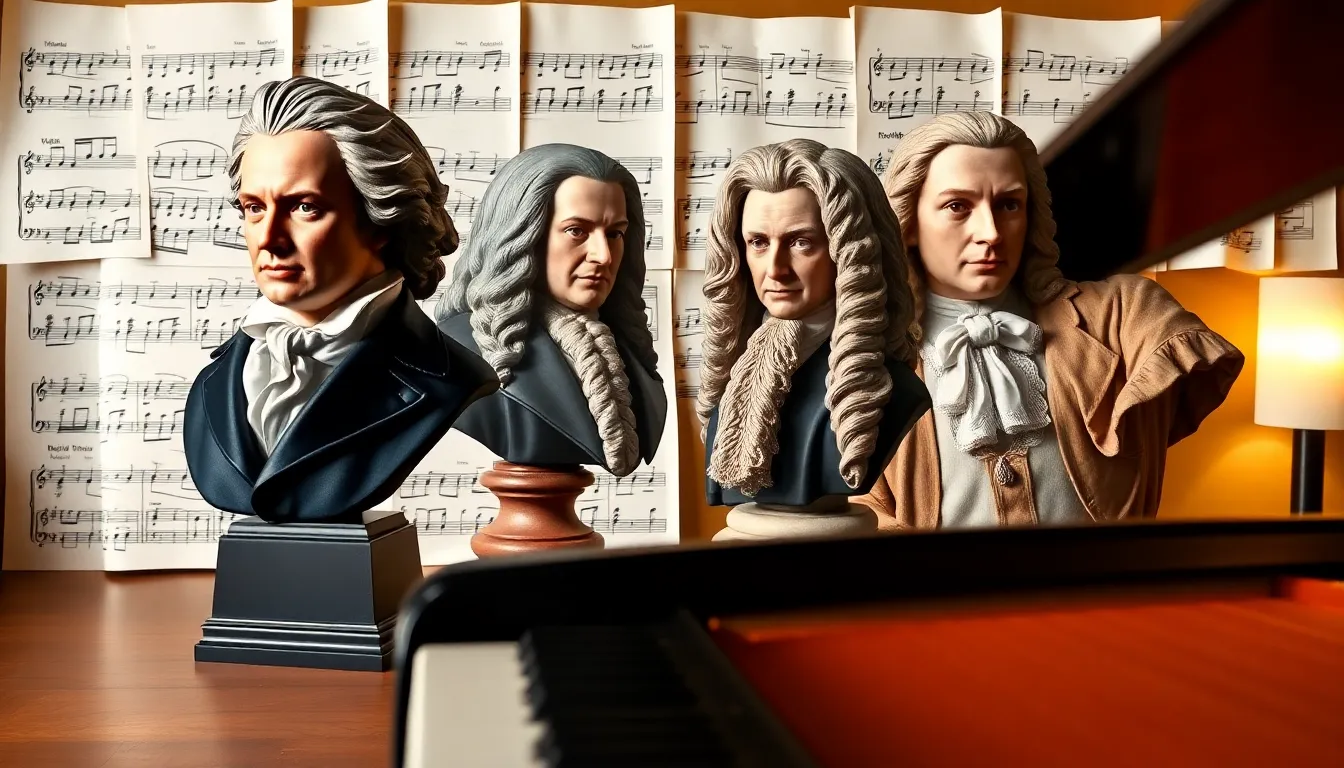
Imagine a world without the harmonious melodies of Beethoven or the riveting rhythms of Bach. Pretty dull, right? Classical music has colored our lives for centuries, and at the heart of it all lie some truly legendary composers. They weren’t just musicians: they were musical magicians who turned notes into emotions and silence into symphonies. Join us as we explore the lives and legacies of these remarkable figures who continue to inspire new generations and flood our playlists with rich, timeless traditions.
The Evolution of Classical Music
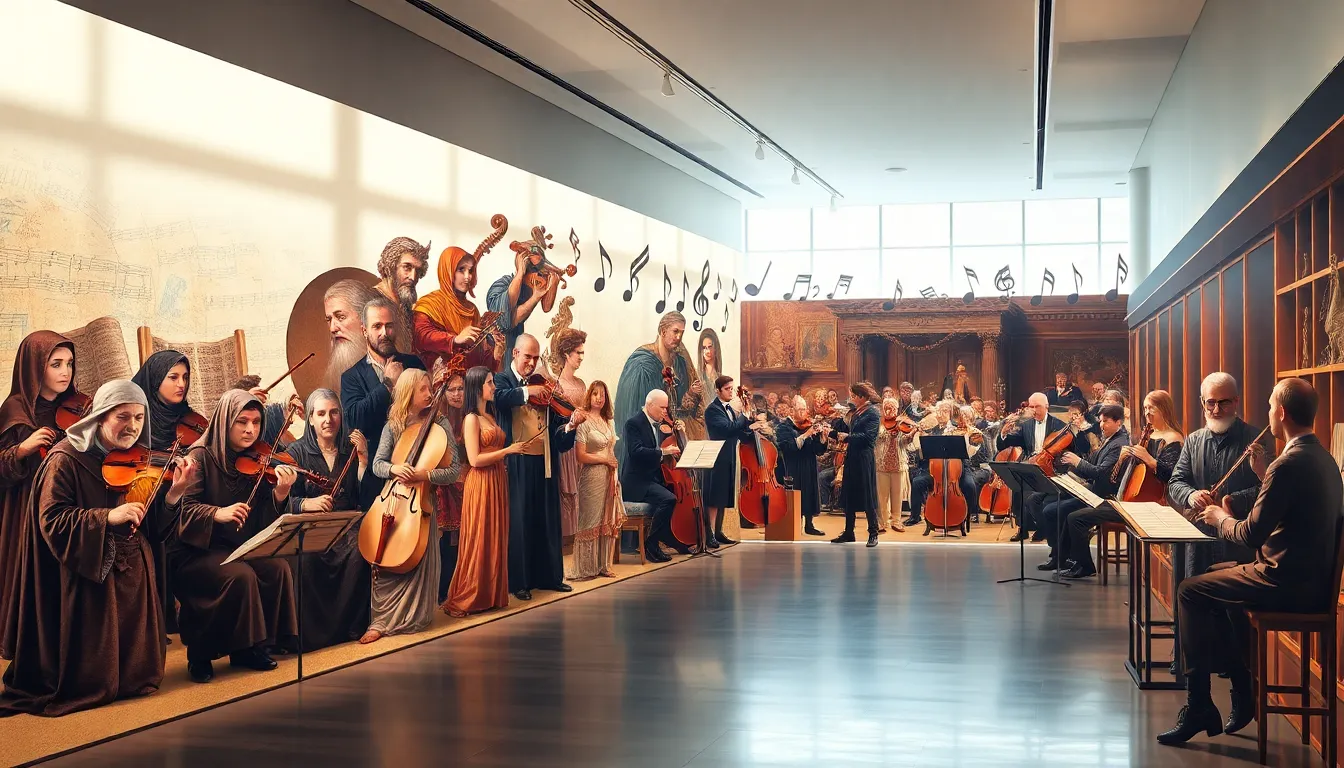
Classical music didn’t just drop from the sky like a bolt of musical lightning. It evolved over centuries, shaped by cultural shifts, technological advancements, and the influences of various historical periods. Imagine wandering into a massive art gallery where every painting represents a different era in music history, all showcasing unique styles and philosophies.
The roots of classical music can be traced back to the medieval period, where simple chants blossomed into more intricate forms. Then came the Renaissance, where music began to embrace more emotional depth and complexity. The Baroque period introduced the world to orchestras and operas, taking bold steps with dynamic contrasts. Fast forward to the Classical and Romantic periods, where composers experimented even more with styles and emotions, setting the stage for the 20th century and beyond. Each phase contributed layers of complexity, leading to the rich tapestry of sounds we enjoy today.
Understanding this evolution is crucial for appreciating the masterpieces crafted by these iconic composers.
Key Periods in Classical Music History
Classical music can be broken down into several key periods, each marked by distinct characteristics and innovations. Whether it’s the robust expressions of the Baroque or the emotive melodies of the Romantic era, these categories help us understand the diverse nature of classical music.
- Medieval Period (500-1400): This era focused primarily on the development of Gregorian chant, emphasizing monophonic textures and sacred texts.
- Renaissance Period (1400-1600): A blossoming of polyphony dominated this time, leading to intricate vocal harmonies and the introduction of secular themes.
- Baroque Period (1600-1750): Think grandiosity. This era is characterized by complex forms, bold ornamentation, and the establishment of tonality, spearheaded by composers like Bach and Vivaldi.
- Classical Period (1750-1820): Simplified structures and clarity emerged, with the sonata form gaining popularity. Famous figures such as Haydn and Mozart defined this period.
- Romantic Period (1820-1900): Here, emotive expression became paramount as composers explored individualism and the depths of human sentiment, led by artists like Chopin and Tchaikovsky.
- 20th Century (1900-2000): An explosion of styles, from jazz influences to minimalism, characterizes this era. Pioneers like Stravinsky and Arnold Schoenberg brought innovative techniques that disrupted traditional boundaries.
Renowned Composers of the Baroque Era
The Baroque era is often regarded as the golden age of music. Composers were not merely creators: they were architects of sound, designing musical landscapes that still resonate today. Let’s meet a few trailblazers from this vibrant period:
- Johann Sebastian Bach: Often referred to as the father of Western music, Bach’s intricate compositions, such as the “Brandenburg Concertos” and “The Well-Tempered Clavier,” laid the foundation for future musicians.
- Antonio Vivaldi: Famous for his energetic compositions, Vivaldi’s “Four Seasons” remains one of the most recognizable sets of concertos. His work perfectly encapsulates the joy and drama of Baroque music.
- George Frideric Handel: Known for his grand oratorios, such as “Messiah,” Handel’s ability to weave together dramatic narratives and rich harmonies elevates his contributions to the canon.
These composers not only shaped Baroque music but also influenced generations that followed, pushing boundaries in technique and emotional expression.