

Ever sat in a café with a cup of coffee, listening to the soft notes of a piano drifting through the air? If so, you’ve experienced the magic of piano classical music. This enchanting art form, both relaxing and moving, holds a special place in the hearts of many. It’s not just about hitting the keys: it’s about storytelling, emotion, and artistry that transcends generations. In a world craving authenticity, classical piano music remains evergreen, captivating listeners with its beauty. So, buckle up as we jump into the rich history and artistry behind this timeless genre.
The Evolution of Classical Piano Music
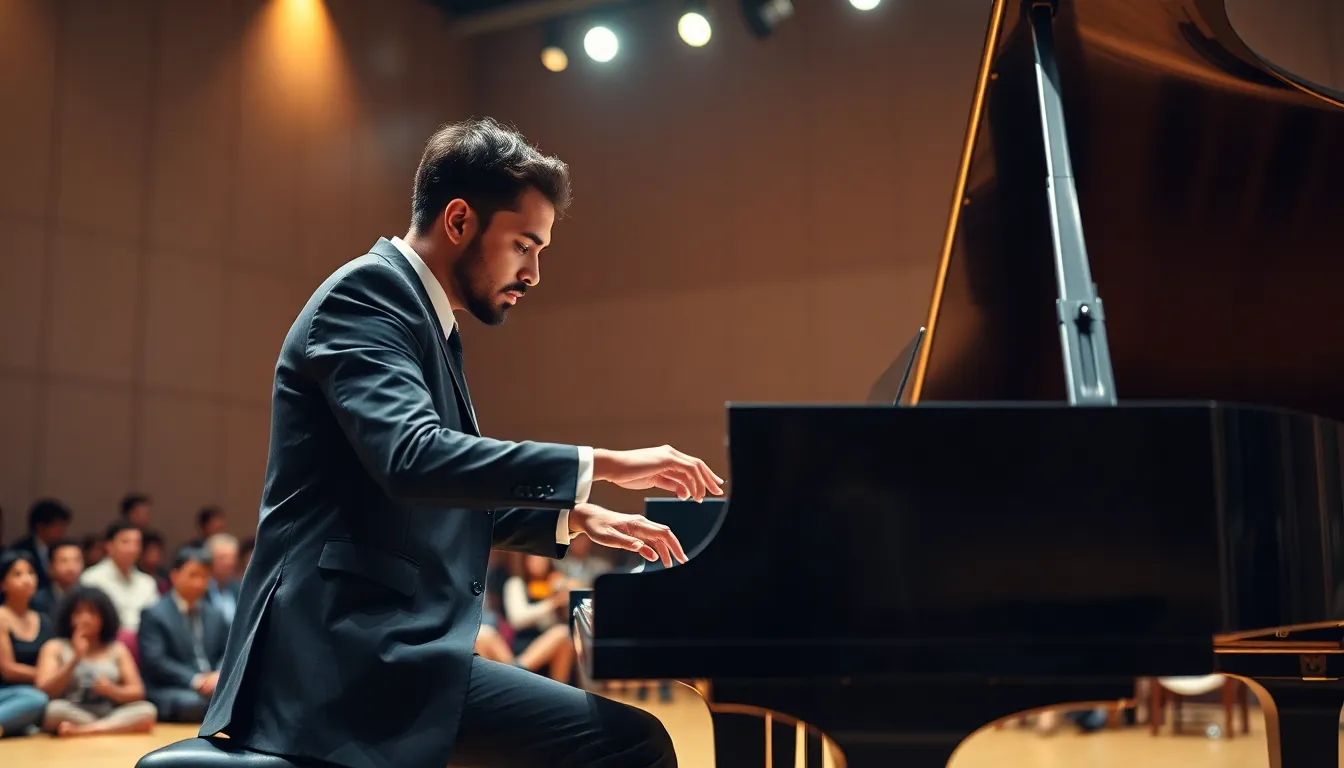
Classical piano music has a storied history that reflects the evolution of society itself. To trace its origins, one must look back to the Baroque period in the 17th century. The harpsichord, a predecessor of the piano, dominated this era with intricate polyphony and detailed counterpoint. Composer Johann Sebastian Bach was a trailblazer: his works laid the groundwork for future generations. As time marched on into the Classical period, the fortepiano emerged. It provided nuanced dynamics that allowed composers like Mozart and Beethoven to explore emotion through their compositions.
In the Romantic era, composers flipped the music world upside down. The piano became a symbol of individual expression. Figures like Chopin and Liszt pushed the limits of technique and emotion, producing works that made audiences weep and waltz alike. Then came the 20th century, where jazz and modern influences began to pepper classical traditions. Composers like Gershwin blended genres, showcasing the piano’s versatility. Today, the classical piano thrives, melding old with new, ensuring its legacy continues to evolve.
Key Composers and Their Contributions
Understanding piano classical music is like reading a riveting novel, with key characters making unforgettable contributions.
Influential Piano Works Through the Ages
Let’s start with the heavyweights: Bach, Mozart, Beethoven, Chopin, and Liszt. Each of these giants left a mark that changed the course of music. Bach’s ‘Goldberg Variations’ elevated the piano repertoire, showcasing the depth and complexity that could emerge from this instrument. Mozart introduced elegance through ease, while Beethoven brought passion and drama. Chopin is often deemed the poet of the piano, his nocturnes and études stirring emotions. Liszt? He was the virtuoso who dazzled audiences with his technical prowess, expanding the limits of what the piano could do.
The Role of the Piano in Different Musical Periods
The piano’s role ebbed and flowed throughout different musical periods. During the Baroque, it was a tool for intricate lines and structure. In the Classical period, it became more expressive, paving the way for the Romantic era’s emotive outpouring. Today, the piano melds elements from various styles, reflecting a blend of historical and contemporary influences, which enhances its relevance.
Techniques and Styles in Classical Piano Playing
Piano classical music isn’t just about the music itself: techniques and styles breathe life into compositions. Pianists use fingerings, pedaling techniques, and dynamic control to express the music’s nuances.
From the crisp staccatos of Beethoven’s sonatas to the rich legato of Chopin’s pieces, each technique elicits unique emotional responses from listeners. Artists also adopt various styles, such as Romanticism’s intense emotiveness contrasted with the clarity and formality of Classical styles. Mastering these techniques requires dedication, but it’s this very journey that transforms a pianist from a technician into an artist.
The Emotional Depth of Piano Classical Music
What is it about piano classical music that resonates so deeply with listeners? There’s a particular emotional depth woven into each piece that speaks to the heart. Whether it’s the haunting melodies of Schubert or the evocative sonatas of Grieg, each note conveys a spectrum of feelings.
Take Beethoven’s ‘Moonlight Sonata’, it evokes a sense of longing and introspection. Chopin’s ‘Nocturne in E-flat Major’ creates an atmosphere of delicate beauty, enticing the listener to lose themselves in its beauty. This emotional connectivity is why piano classical music continues to captivate audiences today. Each piece becomes more than just music: it’s a vehicle for expressing complex human emotions that words often fail to capture.
Exploring the Future of Piano Classical Music
Looking ahead, where is piano classical music headed? One can’t ignore the rise of technology and its influence on musical exploration. Digital platforms allow for global access to classical performances, enabling a new generation of listeners. Pianists today blend classical traditions with modern genres, creating innovative soundscapes that respect the past while exploring new horizons.
Imagine a new Chopin, integrating elements of jazz or electronic music while maintaining the emotion and finesse of classical style. This evolution signals not an end but a new beginning. The future holds exciting possibilities for these timeless resonances, ensuring that the sound of the piano remains relevant and invigorated.