
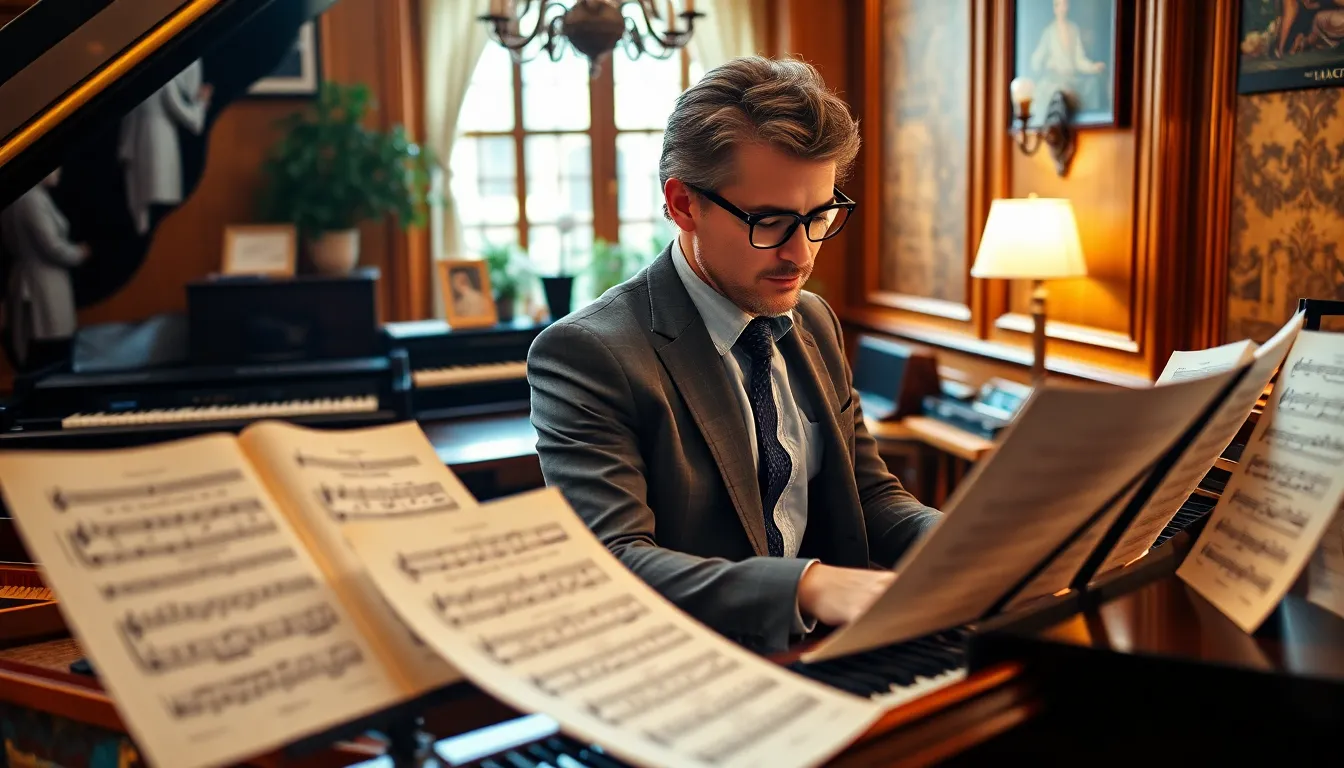
When one thinks of classical music, it’s nearly impossible not to conjure up images of a small, bespectacled man in a powdered wig, furiously scribbling notes in a quaint Viennese café. Yes, that’s Wolfgang Amadeus Mozart, the prodigy whose compositions are as timeless as accompanying a coffee with a croissant. In an era that birthed brilliant innovations, Mozart transcended the norms of his day, effortlessly blending humor with profound emotional depth. Ready to investigate into the enchanting world of Mozart’s music? Pour yourself a cup of ambition as we explore how this masterful composer shaped the soundtrack of our lives.
Introduction to Mozart and His Era
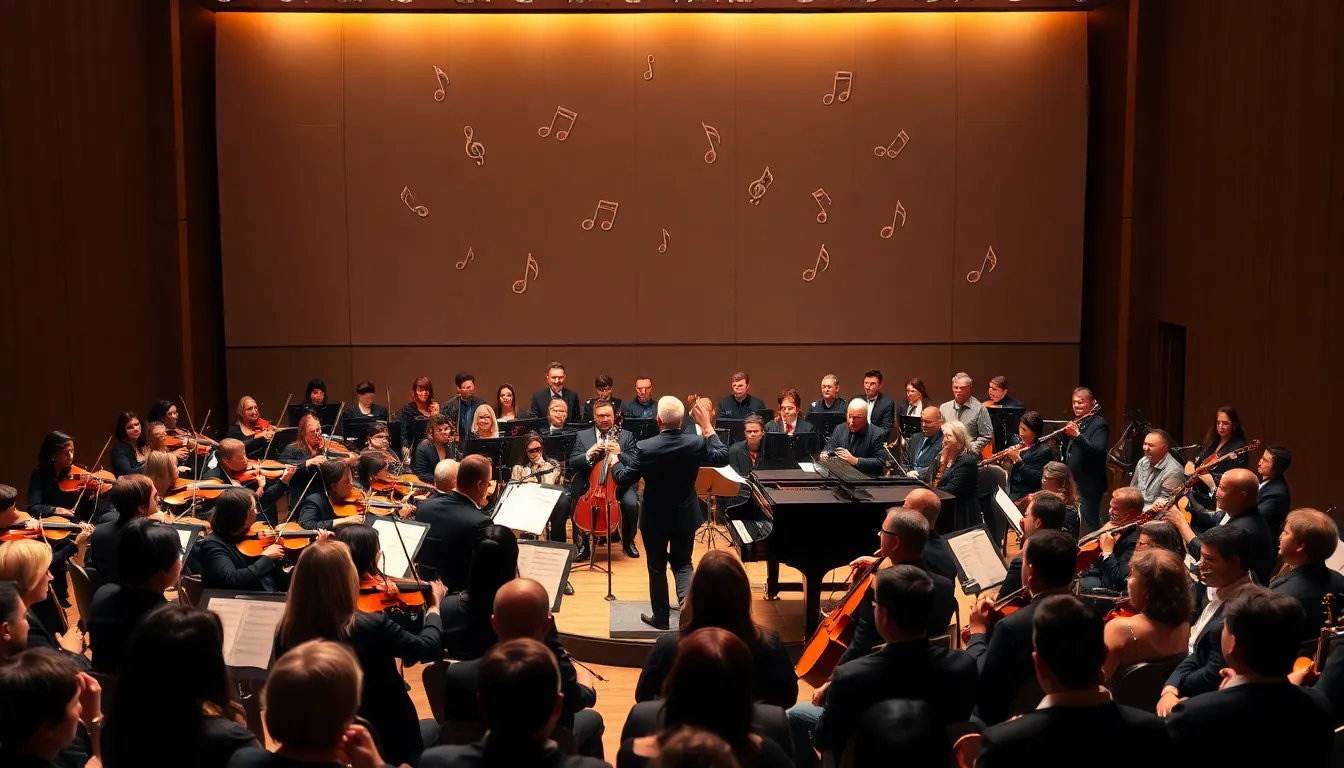
The late 18th century was a fascinating time in Europe, characterized by the Enlightenment. This period cherished reason, art, and science, creating a fertile ground for artistic genius. Among the stars of this age was Mozart, whose life and work resonated with the values and innovations of his time.
The shift toward individuality and expressive emotionality in music was gathering steam. As a result, audiences were eager for compositions that showcased virtuosic talent combined with feeling. Viennese salons buzzed with not only social chatter but also the exhilarating sounds of new symphonies and operas. Mozart didn’t just participate in this transformation: he was one of its leading architects.
The Life of Wolfgang Amadeus Mozart
Born in Salzburg in 1756, Wolfgang Amadeus Mozart displayed prodigious talent from an incredibly young age. By five, he was already composing and captivating aristocratic audiences. His travels across Europe exposed him to diverse musical styles and cultures, honing his craft and expanding his horizons. Can you imagine being a child and performing for kings and queens? That was Mozart’s reality.
But, life wasn’t all opulence. Mozart’s journey was marked by struggles, notably financial hardships. Even though his genius, he encountered challenges in securing stable patronage. Yet, he never let hurdles diminish his spirit. With over 600 works to his name, he left an indelible mark on classical music, crafting everything from symphonies to chamber music before his untimely death at just 35.
Key Characteristics of Mozart’s Music
Mozart’s compositions are renowned for their clarity, balance, and transparency. His music often combines complexity with an astonishing simplicity that leaves listeners both puzzled and enchanted. What makes Mozart’s music uniquely captivating?
Major Works and Contributions to Classical Music
Among his pioneering works, the operas “The Marriage of Figaro” and “Don Giovanni” stand out, weaving intricate narratives with unforgettable melodies. His symphonies, particularly Symphony No. 40 in G minor, display emotional depth that often resonates with audiences today. Each piece seems to tell a story, connecting deeply with human experiences, how incredible is that?
Influences on Future Composers
Mozart’s influence rippled through the musical world, shaping the styles of countless composers. Ludwig van Beethoven cited him as a major inspiration, reflecting how Mozart’s work set the foundation for future musical exploration. Without Mozart, would modern music still sound the same? It’s a tantalizing thought.
Mozart’s Impact on Musical Forms
Many contemporary forms of music owe their structure to Mozart’s innovations. His mastery in developing sonata form paved the way for future generations, helping composers navigate emotional expression. Whether through symphonies or operas, the techniques he employed continue to enlighten musicians.
The Patrons and Public Reception of Mozart
Mozart’s relationship with patrons is a story worthy of dramatic operatic flair. Initially, he thrived under the patronage of the aristocracy, composing works that delighted the elite. But, as his career progressed, he sought independence from noble patrons, which wasn’t always the smoothest transition.
Even though facing challenges, his popularity soared during his lifetime, with performances drawing large crowds. People clamored for his music, often selling out tickets faster than you could say ‘requiem.’ Among the public, his ability to blend humor with serious themes won hearts, crafting a legacy that resonates with audiences even today.
Mozart’s Lasting Influence on Modern Music
Fast forward to today, and the echoes of Mozart’s genius still vibrate across multiple genres. From film scores to contemporary classical compositions, his influence permeates the musical landscape. Artists and composers regularly draw upon his techniques, his melodies serve as cornerstones in understanding musical storytelling.
Besides, Mozart’s music is often utilized in educational settings, introducing countless students to the world of classical music. Think of all the aspiring musicians who trace their inspiration back to him. Even modern pop artists find their roots in classical influences, demonstrating how timeless his work truly is.