

Imagine shoulder pads, neon leg warmers, and the irresistible beat of a synthesizer dancing in the air. Welcome to the 1980s, a decade where pop music transformed into an electric playground, blending styles, cultures, and even hairdos. From the rise of iconic music videos to the explosion of artists who defined the era, the 80s were nothing short of a musical renaissance. Buckle up, because we’re diving headfirst into the vibrant world of 80s pop music, where every note tells a story and every chorus demands a sing-along.
Cultural Context Of The 1980s
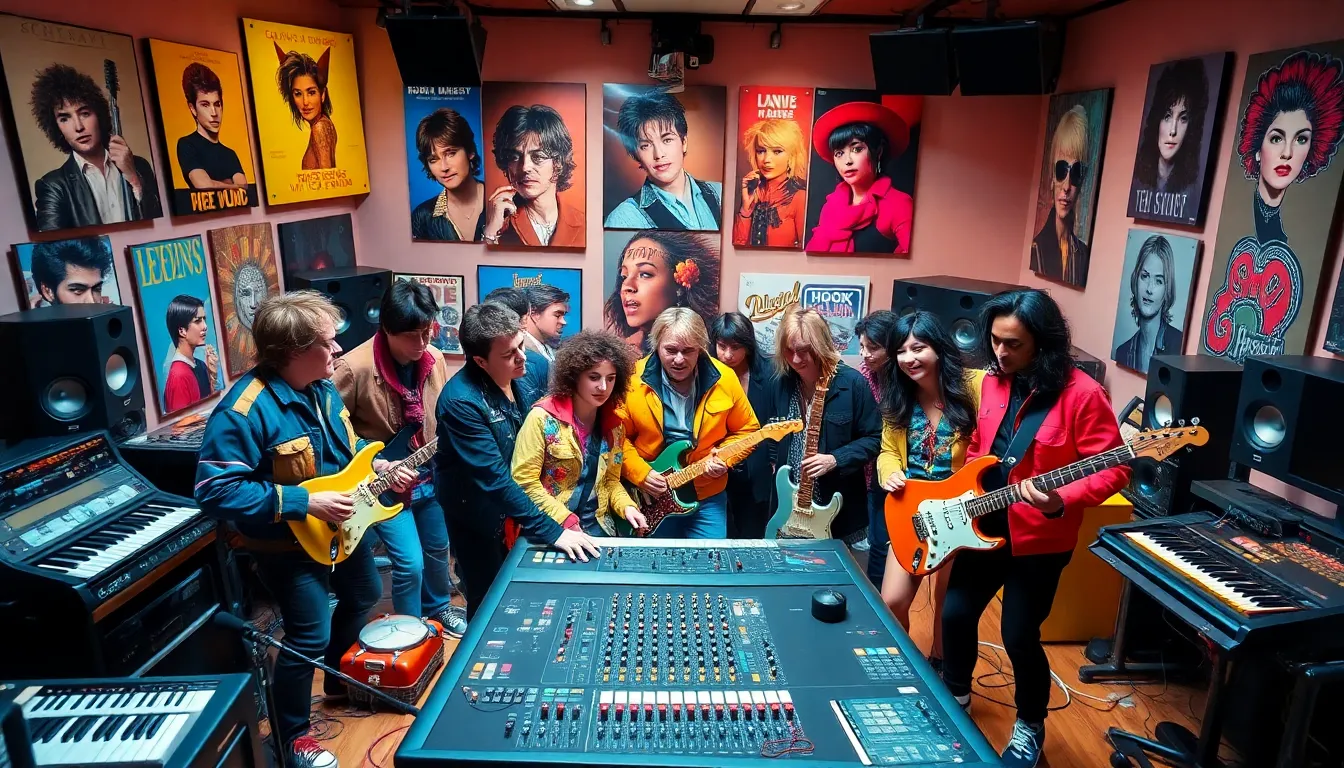
The 1980s was a decade marked by significant cultural shifts. It was a time when the youth culture began to influence society in unprecedented ways. Economic prosperity fostered a spirit of individuality, with young people eager to express themselves not just through fashion but also through music. Television grew in popularity, and new technology billeted new formats for music consumption, changing how people connected with their favorite sounds.
Globalization also began making waves, as music from different parts of the world started infiltrating the mainstream. This cultural melting pot not only enriched the variety of pop music but also encouraged artists to experiment beyond traditional genres. The rise of feminism and LGBTQ+ rights during this time paved the way for artists to explore themes of identity and freedom. In essence, pop music in the 80s was not just about catchy hooks but became anthems reflecting the social movements of the time.
Rise Of MTV And Music Videos
When MTV launched in 1981, it changed the landscape of music forever. Suddenly, visual storytelling became integral to a song’s success. Artists quickly recognized the power of music videos as promotional tools. Duran Duran, Michael Jackson, and Madonna became some of the biggest stars, each utilizing the medium to enhance their personas and expand their reach.
The music video for Michael Jackson’s “Thriller” is still considered groundbreaking. With its cinematic quality, this 14-minute video not only turned the song into a worldwide phenomenon but also demonstrated how a well-produced video could elevate an artist’s profile. Madonna, a ruler of self-reinvention, used visual aesthetics to redefine femininity in music, paving the way for future generations of female artists.
Thanks to MTV, music and image merged, making pop culture more visual and interconnected than ever before.
Key Artists And Their Influence
Every decade boasts its luminaries, but the 80s were home to some of the biggest names in pop music. Michael Jackson, dubbed the King of Pop, elevated the genre with hits like “Billie Jean” and “Beat It.” His unparalleled dance moves and groundbreaking music videos set a new standard that others aspired to reach.
Madonna, the Queen of Pop, was influential not just for her music but for her role in shaping societal conversations surrounding gender and sexuality. With hits like “Like a Virgin” and “Material Girl,” she pushed boundaries and redefined the female pop star image.
Prince was another pivotal figure, blending rock, R&B, and funk in a way only he could. His album “Purple Rain” remains a masterpiece, showcasing his range and artistry.
These artists were more than entertainers: they became cultural icons, influencing fashion, social norms, and attitudes worldwide. Their legacies, interwoven with the fabric of the 80s, still resonate today.
Popular Genres And Trends
Pop music in the 80s was multifaceted, with various genres gaining traction. Synth-pop emerged as a dominant sound, characterized by catchy melodies and electronic instrumentation. Bands like A-ha and Depeche Mode captured hearts with their distinctive soundscapes.
Rock continued to thrive, too. The arena rock movement gave rise to supergroups like Bon Jovi and Journey, who filled stadiums with anthemic ballads. New Wave blended pop and punk, with bands like The B-52s and Talking Heads contributing to this eclectic mix.
The rise of hip hop also began in this decade, laying the groundwork for what would become a dominant genre in the following years. Artists like Run-D.M.C. and Beastie Boys not only expanded the definition of pop but also made headway into mainstream acceptance.
As these genres intersected, they created a rich tapestry of musical innovation that continues to inspire artists today.
Impact Of Technology On Music Production
The 1980s celebrated the birth of electronic music, thanks in large part to advancements in technology. Synthesizers, drum machines, and digital recording revolutionized how music was produced. Artists were empowered to create sounds that were previously unthinkable, enabling them to experiment with new musical landscapes.
Producers like Quincy Jones and Nile Rodgers played crucial roles in these developments. They harnessed new technologies not just to record but to innovate. The iconic sound of Michael Jackson’s “Thriller” was achieved by perfecting techniques in mixing and layering, showcasing the potential of digital production.
Also, the cassette tape made music more accessible than ever. Suddenly, everyone could carry around their favorite tunes, setting the stage for a generation that turned up the volume wherever they went.
Legacy Of 80s Pop Music
The legacy of 80s pop music is indelible. The decade helped establish the modern pop landscape we know today. Aesthetic styles, music production techniques, and lyrical themes from the 80s reverberate in contemporary music. Modern artists frequently nod back to this era, capturing the essence of what made those songs timeless.
Also, the notion of the pop star as a global influencer took root in this decade. Today’s artists have much to thank their 80s predecessors for, efforts at boundary-pushing both musically and culturally set a standard that has shaped music industries around the globe. From fashion to social advocacy, the impact of 80s pop music still informs the way stories are told in music.